Is Silver Clay Real Silver? Everything You Need to Know
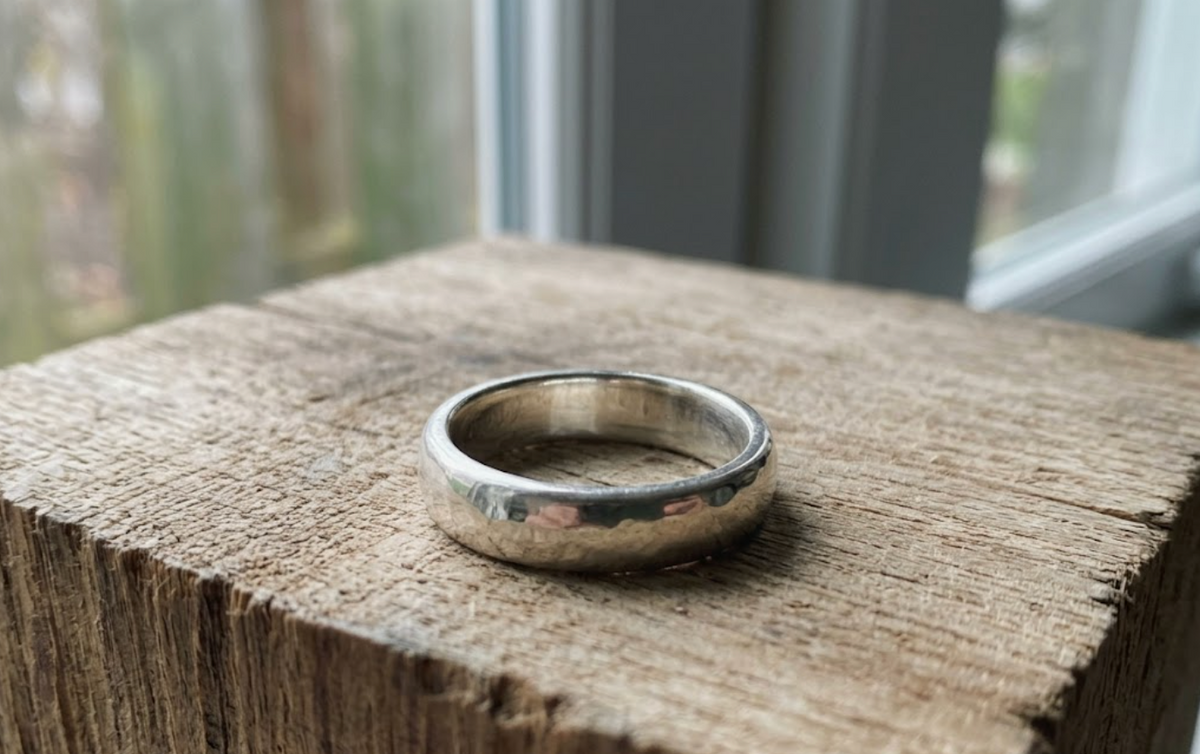
I didn't believe it at first either. Grey paste that fires into real silver with a kitchen torch. It sounded like one of those things that's technically accurate in some narrow sense while being completely misleading about what you actually end up with.
It's not misleading. The skepticism is reasonable and I get where it comes from, but the answer is straightforward: fired silver clay is 99.9% fine silver. Here's what that means and what it doesn't.
Yes, and here's the actual explanation
Silver clay is fine silver particles mixed with water and an organic binder. The binder is what makes it workable. It holds the particles together so you can roll it, shape it, carve it. When you fire it with a butane torch, the binder burns off and the silver particles fuse together through a process called sintering. The particles bond at a molecular level without the metal fully melting. What's left is solid fine silver.
No binder. No residue. Just the silver.
This isn't a silver clay-specific trick. Sintered metal manufacturing is how a lot of industrial metal parts are made: metal powder, organic binder, shaped, fired, binder out. The fact that you're doing it in a kitchen with 5 grams of clay instead of in a factory with a furnace doesn't change what the material is.
After firing: 99.9% fine silver. Same purity as fine silver bullion. Not plated. Not coated. The clay was always the silver.
Purer than sterling, which surprises people
Most silver jewelry is sterling: .925, meaning 92.5% silver alloyed with 7.5% copper. The copper makes it harder and easier to work with at scale, which is why commercial jewelry is almost always sterling rather than fine silver. Silver clay fires to .999, purer than the stuff in most jewelry stores.
The tradeoff is softness. Fine silver is softer than sterling because the hardness in sterling comes from the copper. A thin fine silver ring band can deform under hard impact in a way a sterling band wouldn't. It's not fragile, a 3mm or wider band holds up fine in daily wear. But if you're making a very narrow ring and wearing it constantly, it'll show wear faster than sterling would.
There's one thing fine silver does better that doesn't get mentioned enough. A lot of people who think they're allergic to silver are actually reacting to the copper in sterling. Fine silver is hypoallergenic. People who can't wear most commercial jewelry without a reaction can usually wear fine silver without problems. Not always, but often enough that it's worth knowing.
The binder
The most common version of the skepticism is: "But it's not pure silver while you're working with it, there's other stuff in there." True, and it doesn't matter.
The binder is organic and cellulose-based. During firing it burns off in the first 20 to 30 seconds. There's a brief moment of smoke and then it's gone. The finished piece contains no binder. You can verify this yourself: weigh the clay before firing and weigh the finished piece after. The difference is the water and binder weight. What's left is essentially all silver.
Where the skepticism is fair
There are real limitations to silver clay and I'd rather say them directly than have you find out later.
It shrinks. About 12% when it fires. For a pendant this barely matters. For a ring it means you have to shape three full sizes larger than your target. Manageable once you know it. Annoying to discover after you've already fired the ring.
It costs more per gram than silver sheet or wire. You're paying for the convenience of a workable material that requires no metalsmithing training or studio equipment. If you already have a silversmithing setup, silver clay isn't your most efficient option. If you want to make a ring at your kitchen table this weekend, it probably is.
The softness I mentioned above is real for thin rings. A 1mm band in fine silver is going to deform with daily wear over time. This isn't a silver clay problem specifically, it's true of fine silver in any form. The solution is the same: don't make extremely thin bands for everyday rings.
Selling it, and hallmarking
If you make jewelry from silver clay and want to sell it, the material is legitimate. Fine silver is fine silver.
In the US, there's no mandatory hallmarking requirement for precious metal jewelry below certain weights, but stamping your pieces .999 or "fine silver" is accurate and appropriate. In the UK, assay office hallmarking is mandatory above certain weights, so check the rules for your market. The material passes any assay test. That part's not the issue.
Tarnish
Fine silver tarnishes, but slowly and less dramatically than sterling. Sterling goes dark partly because the copper oxidizes. Fine silver doesn't have that. You get a warmer patina over time rather than the grey-black of aged sterling.
A polishing cloth brings it back. If you want to slow it down, store the piece in an airtight bag when you're not wearing it. Anti-tarnish strips in the bag help. Neither is strictly necessary, some people just polish every few months and leave it at that.
Ready to make one? Read the full Silver Clay Ring Tutorial.
The RingLab kit uses 99.9% fine silver clay. No kiln. No experience needed. Free standard shipping, duties paid.
ready to make your own?
Everything you need in one box. Shape it, fire it, wear 99.9% fine silver.
Shop the kits →